
How to Transform Your Furry Friend into a Trick Wizard in Just a Week
Discover simple, science-backed methods to teach your pet amazing skills that will wow everyone at the park.
Ever watched a dog perform a perfect roll-over or a cat high-five on command and wondered how it's done? Training pets isn't just for professionals—it's a fun, bonding activity that taps into their natural instincts. Studies show that pets learn best through positive reinforcement, like treats and praise, which releases feel-good hormones in their brains. This makes training sessions enjoyable for both you and your furry companion. Start with short, daily practices of 5-10 minutes to build trust. For example, use a clicker to mark the exact moment your pet does something right, followed by a small reward. Over time, this creates a strong association, turning your living room into a mini-circus stage where your pet eagerly awaits the next trick.
Begin with foundational commands that form the building blocks for more complex tricks. "Sit" is often the easiest to teach: hold a treat above your pet's head and move it backward, prompting them to lower their rear. Once mastered, move to "stay" by taking small steps back while giving the command, rewarding only when they hold position. Cats, though often seen as independent, can learn similar basics with patience. A real-life story involves Bella, a rescue dog who went from shy shelter pup to performing "shake hands" in just three days—her owner used bits of chicken as incentives. Remember to keep sessions upbeat; if your pet gets distracted, end on a positive note and try again later. Consistency is key, and soon, you'll see progress that feels like magic.
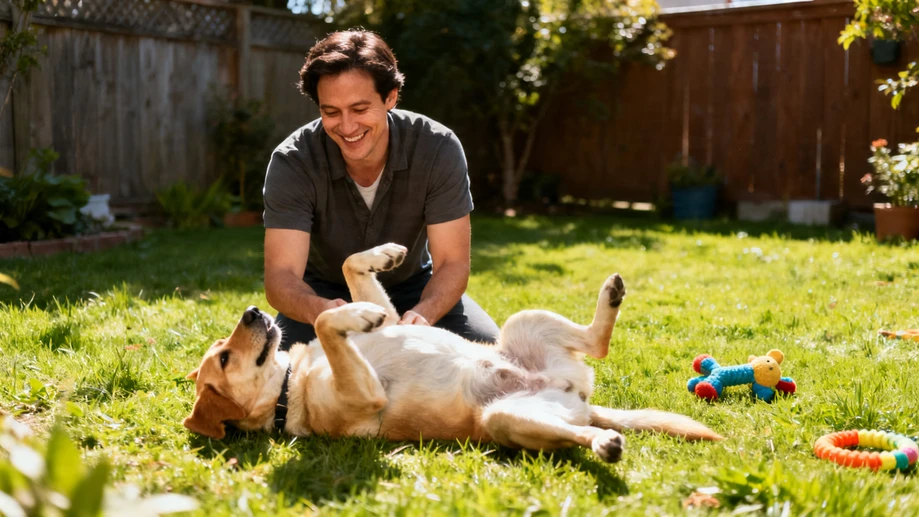
Now, elevate the fun with intermediate tricks that showcase your pet's intelligence. Teach "roll over" by luring them with a treat in a circular motion from their nose to their side, guiding them onto their back. For "play dead," start from a down position and gently nudge them to lie flat, using a cue word like "bang." Birds, such as parrots, can learn to retrieve objects or mimic sounds with repetition. One hilarious anecdote comes from a hamster owner who trained their pet to spin in circles using a tiny bell—proof that size doesn't matter! Always use safe, pet-friendly rewards, and avoid overfeeding; small, healthy treats work best. If your pet struggles, break the trick into smaller steps. This approach not only builds skills but also reduces boredom, leading to a happier, more engaged companion.
Common mistakes can derail training, so steer clear of pitfalls like inconsistency or negative reinforcement. Yelling or punishing creates fear, which hinders learning—instead, redirect unwanted behavior calmly. For instance, if your dog jumps on guests, teach "off" by rewarding them when all paws are on the floor. Timing rewards is crucial; give treats within seconds of the desired action to reinforce it. Also, tailor methods to your pet's personality: high-energy breeds might need more physical tricks, while older pets prefer gentler activities. A survey of pet owners revealed that those who kept logs of progress saw faster results, making training feel like a shared adventure. End each session with praise, and watch as your pet's confidence soars, ready for the next challenge.
Ultimately, pet training is about joy and connection, not perfection. Celebrate small victories, like the first time your cat responds to a new cue, and share videos with friends for extra laughs. This hobby strengthens your bond, provides mental stimulation, and can even improve your pet's behavior in everyday situations. So grab some treats, start simple, and let the fun begin—you'll be amazed at what your trick wizard can achieve!