
7 Secret Rituals of Cats Every Owner Should Know
Unlocking the hidden daily habits that reveal your feline's true nature
Every cat owner has experienced that moment: you catch your kitty staring intently at a blank wall or performing an elaborate grooming routine at 3 AM, and you wonder what's really going on inside their furry heads. Cats are masters of mystery, often hiding their true intentions behind a veil of aloofness. But beneath that cool exterior, they engage in a series of daily rituals that are both fascinating and revealing. These behaviors aren't just random quirks; they're deeply ingrained habits rooted in their evolution from wild hunters to domesticated companions. Understanding them can transform how you interact with your pet, turning everyday moments into opportunities for bonding and insight. As you observe your cat today, consider that each stretch, purr, or silent stare holds a story—one that offers a glimpse into their world of instincts and emotions.
First on the list of secret rituals is the "territory patrol," where your cat meticulously surveys their domain at dawn and dusk. This isn't mere curiosity; it's an ancient survival tactic inherited from their ancestors who needed to secure safe hunting grounds. You might notice your feline padding slowly around the house, rubbing their cheeks against furniture and doorframes. They're depositing scent markers from glands in their face, creating invisible boundaries that signal ownership and security. What appears as a casual stroll is actually a calculated effort to establish dominance and comfort. For owners, recognizing this ritual can help prevent anxiety—simply maintaining a consistent environment with familiar objects reduces stress, making your cat feel like the proud ruler they truly are.
Another surprising habit is the "gift-giving ceremony," which often occurs when your cat drops a toy or even a captured insect at your feet. While it might seem gross or perplexing, this ritual stems from a nurturing instinct where cats view you as part of their family. In the wild, mothers teach kittens to hunt by presenting prey; your pet is simply extending this lesson to you, sharing their "catch" as a sign of trust and affection. Ignoring or scolding them can cause confusion, so gently praising the gesture strengthens your bond. This behavior also highlights cats' playful side—they're not just hunters but teachers, inviting you into their world through interactive games that boost their mental stimulation and happiness.
Perhaps the most endearing ritual is the "purr symphony," a sound that goes beyond contentment. Cats purr not only when they're relaxed but also during moments of pain or stress, using vibrations as a self-healing mechanism to soothe themselves and promote bone density. This daily habit involves rhythmic vocalizations that can alter based on their mood, from soft hums during naps to louder rumbles when seeking attention. Science shows that frequencies between 25-150 Hz aid in tissue repair, making purring a natural health tool. As an owner, listening closely can clue you into their well-being; a sudden change might signal a vet visit, turning a simple cuddle session into a vital health check that deepens your mutual trust.
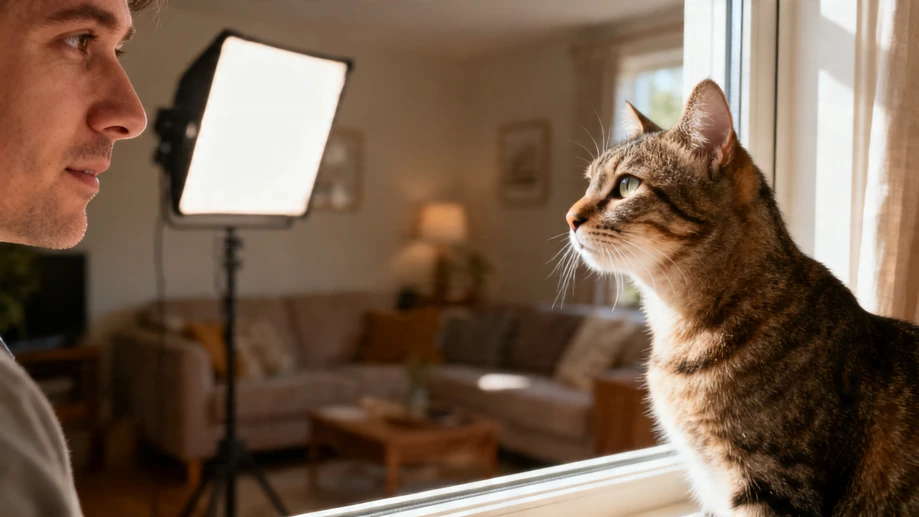
Witnessing these rituals can feel like decoding a private language, but knowing them fosters a richer relationship. For instance, respecting nap times aligns with their "energy conservation ritual," where cats sleep up to 16 hours a day to recharge for bursts of activity. Disrupting this can lead to grumpiness, so provide cozy beds in quiet spots. Similarly, the "staring contest" ritual isn't aggression—it's a display of curiosity and affection, especially when accompanied by slow blinks. Try blinking back slowly; cats interpret this as a sign of trust, transforming a silent exchange into a heartfelt connection. Ultimately, these habits reveal cats as complex creatures whose daily lives are filled with purpose. By embracing their secrets, you turn routine care into a joyful discovery, enriching both your lives in the process.