
Is Your Cat Secretly Throwing Parties While You're Away
Unveiling the hilarious antics of felines during your workday
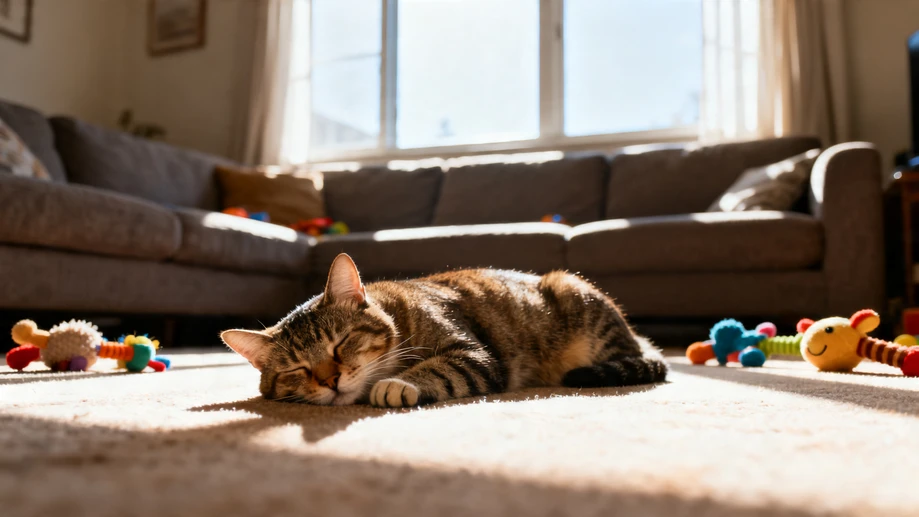
Imagine this: you lock your front door, head off to the office, convinced your beloved cat is curled up for a cozy nap. But what if I told you that Fluffy is probably orchestrating a mini carnival right in your living room? Thanks to hidden cameras and pet behavior studies, we've discovered that cats are masters of mischief when left to their own devices. One minute, they're snoozing in a sunbeam like innocent angels; the next, they're practicing acrobatics on your bookshelves or chasing imaginary mice across the floor. It's not just random chaos—it's a carefully choreographed routine that keeps them entertained and mentally sharp. Who knew that your quiet home turns into a feline playground every time you step out?
Let's dive into the daily schedule of a typical house cat during your absence. According to animal experts, cats spend a whopping 50-60% of their day sleeping, but that's just the warm-up act. Once they rouse themselves, they embark on "territory patrols," which involve inspecting every nook and cranny. You might find them perched on high surfaces, scanning the room like a tiny security guard, or investigating sounds from outside. Then comes playtime: batting at dust bunnies, pouncing on toys you left out, or even engaging in solo games of "hide and seek" behind curtains. This isn't just fun—it's instinctual behavior rooted in their wild ancestors' need to stay agile and alert for hunting. A study from the University of Lincoln shows that indoor cats are more inventive with their play, often inventing games to stave off boredom.
But why do cats act this way? It all boils down to their natural biology and psychology. Cats are crepuscular animals, meaning they're most active during dawn and dusk, which aligns perfectly with when you're likely away at work. This peak energy time drives them to explore, hunt, and socialize—even if it's just with a stuffed mouse. Their keen senses, like sharp hearing and night vision, make them hyper-aware of their surroundings, turning everyday objects into thrilling challenges. Plus, cats are solitary by nature, so they relish the independence to roam freely without human interference. This isn't laziness; it's a survival strategy that keeps them mentally stimulated. As Dr. Sarah Ellis, a feline behaviorist, explains, "Cats need mental enrichment to prevent stress, and their solo adventures are a healthy outlet." So, that "party" you suspect is actually a vital part of their well-being.
Now, how can you safely peek into this secret world without disrupting your pet? Start by setting up a pet camera—it's a game-changer for observing their antics in real-time. Place it in a common area like the living room, ensuring it's out of reach to avoid any curious paw swipes. Watch for patterns: maybe your cat loves to nap in your favorite chair at 10 a.m., then goes on a toy-tossing spree by noon. But remember, resist the urge to intervene or scold them for minor messes. Instead, enrich their environment with interactive toys, like puzzle feeders or scratching posts, to channel their energy positively. This not only keeps them happy but also strengthens your bond when you return home to find them relaxed and content.
In the end, embracing your cat's solo escapades adds a layer of joy to pet ownership. Those moments of discovery—like seeing them "talk" to birds through the window or perform gravity-defying leaps—remind us that our furry friends have rich inner lives. So next time you head out, smile knowing your cat is living their best life, turning your home into a stage for endless entertainment. It's a heartwarming reminder that even in solitude, pets bring laughter and wonder to our daily routines.