
Is Your Cat Secretly Training You?
The surprising science behind feline manipulation tactics
You fill the food bowl precisely at 6 AM because Mittens stares holes into your skull. You surrender the warmest spot on the sofa when she blinks slowly. Congratulations – you're not a pet owner, you're a highly trained servant. Cats have spent millennia perfecting subtle manipulation techniques that would impress any psychologist. Their secret weapon? A trill-meow hybrid sound scientifically proven to trigger human urgency. Researchers found this specific frequency mimics a baby's cry, activating our caregiving instincts. Next time your cat "innocently" knocks your pen off the desk, remember: it's not clumsiness. It's a calculated test of obedience.
Ever wonder why cats bring "gifts" of dead rodents? It's not generosity – it's remedial training. When your feline drags a half-alive cricket to your pillow, they're demonstrating hunting techniques because they've deemed you incompetent. Studies of feral colonies show mother cats do this for clumsy kittens. Similarly, that 3 AM zoomie frenzy isn't random chaos. Felines are crepuscular hunters, and your living room becomes their savannah. Your charging cat is practicing ambush maneuvers on imaginary gazelles, with your ankles as unfortunate substitutes during training mishaps.
The slow blink is no accident either. Dubbed "kitty kisses," this deliberate eye-closing is a trust-building exercise. When cats close their eyes near you, they're signaling vulnerability. Return the gesture, and you've passed a crucial loyalty test. But beware the tail twitch – that's the Morse code of feline annoyance. A flicking tail tip means "back off," while full thrashing indicates DEFCON 1. Meanwhile, purring isn't always contentment; injured cats purr to accelerate bone healing through vibrations. Your cat might be running emergency repairs after that daring leap from the bookshelf.
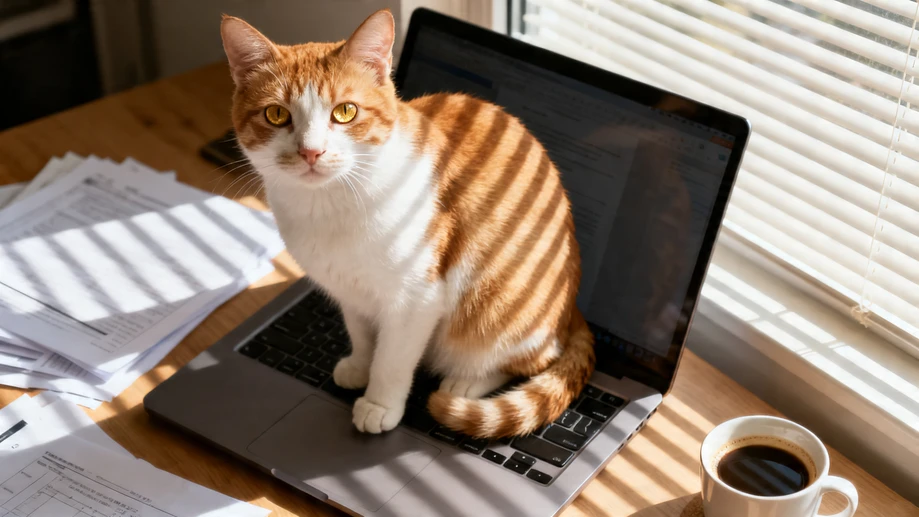
Their most ingenious trick? The fake starvation routine. Cats can detect the faintest rattle of a treat bag from three rooms away, yet "forget" where you hid their favorite toy five minutes prior. This selective memory forces humans into scavenger hunts, reinforcing our role as full-time entertainment directors. And when Mittens sprawls across your keyboard during important work? That's territory marking using scent glands in her cheeks. She's not cuddling – she's branding you as property.
Ultimately, your cat isn't just a pet; they're a furry behavioral scientist conducting a lifelong experiment. Every meow, head-butt, and strategically placed hairball is data collection. The good news? You can turn the tables. Try unpredictably changing treat times or introducing puzzle feeders. Watch their whiskers twitch with confusion when their operant conditioning backfires. Just remember who controls the can opener – for now.