
Unlock the Secret to a Blissful Bunny Life Today!
Master the Art of Rabbit Care with These Insider Tricks
Owning a pet rabbit can feel like stepping into a world of fluffy cuddles and adorable nose twitches, but many new owners quickly discover it's not all carrots and cuteness. Behind those perky ears lies a sensitive soul with specific needs, and ignoring them could lead to a grumpy, unhealthy pal. Surprisingly, rabbits aren't low-maintenance pets like hamsters—they thrive on routine and enrichment, just like dogs or cats. For instance, did you know that a bored bunny might start chewing on furniture or become withdrawn? That's where your journey begins: by embracing fun, science-backed care methods that turn your hoppy friend into the happiest version of themselves. Start with understanding their natural instincts—wild ancestors spent hours foraging and burrowing, so replicate that at home. Provide a spacious cage with hiding spots, but always let them roam safely in rabbit-proofed areas. This isn't just about avoiding mishaps; it's about building trust. When your rabbit feels secure, those joyful hops and contented tooth purrs (yes, they grind their teeth when happy!) will become your daily reward.
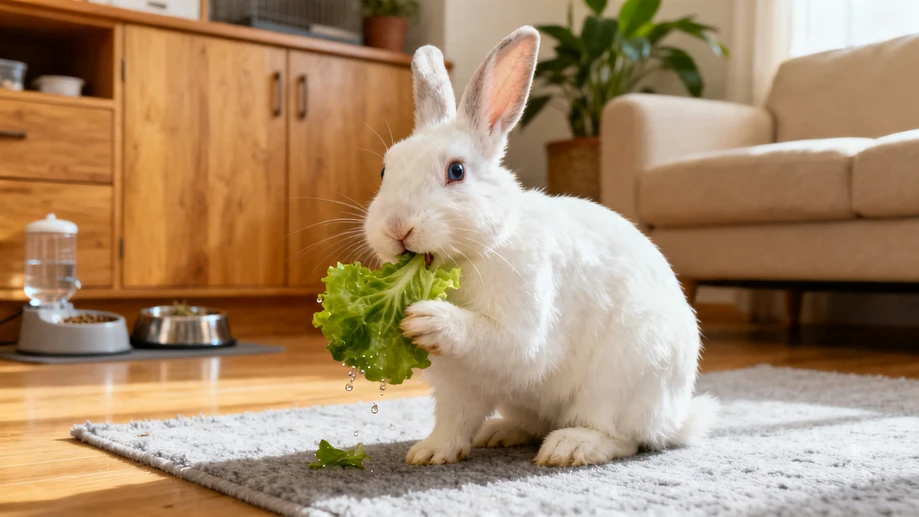
Feeding your bunny isn't rocket science, but it's easy to slip into unhealthy habits if you rely on myths. Forget the cartoon image of rabbits munching only on carrots—those sugary treats should be rare indulgences, not staples. Instead, base their diet on high-quality hay, which makes up 80% of meals and keeps their digestive system humming. Timothy hay is ideal for adults, while alfalfa suits younger bunnies for extra calcium. Pair this with fresh greens like kale, parsley, or romaine lettuce daily, but avoid iceberg lettuce as it lacks nutrients. Add a small scoop of pellets for vitamins, and always have clean water available in a heavy bowl to prevent tipping. Portion control is key: overfeeding leads to obesity, which shortens their lifespan. Introduce new foods gradually to avoid tummy upsets, and watch for signs like loose stools—if that happens, scale back and consult a vet. This balanced approach prevents common issues like dental problems, since hay naturally wears down their ever-growing teeth. Picture your rabbit hopping over for a crunchy leaf salad; it's not just mealtime, it's bonding time that strengthens your connection.
Grooming your rabbit might seem like a luxury spa day, but it's essential for health and happiness, especially for long-haired breeds like Angoras. Aim for weekly brushing to remove loose fur and prevent painful mats that can lead to skin infections. Use a soft-bristle brush or a grooming mitt, and make it a fun ritual by pairing it with gentle petting or treats—this reduces stress and builds positive associations. During shedding seasons, ramp up to daily sessions since rabbits can ingest fur while grooming themselves, causing dangerous hairballs. Short-haired bunnies need less, but a quick once-over helps spot parasites like mites early. Don't forget nail trims every 4-6 weeks; overgrown nails can curl and cause pain. If you're nervous, visit a vet or watch tutorials—it's easier than it sounds. Pair grooming with playtime to keep your bun active: set up obstacle courses with tunnels or cardboard boxes, or hide treats for foraging games. Exercise not only wards off boredom but also prevents obesity and joint issues. Remember, a playful rabbit is a healthy one, so dedicate at least 30 minutes daily to supervised romps outside the cage.
Understanding rabbit behavior unlocks a secret language of love and warning. Unlike dogs, bunnies communicate subtly through body language—a happy one might do a "binky" (a joyful leap with twists), while a thumping hind leg signals fear or danger. Learn to read their ears: perked up means alert, flat back shows aggression or stress. Ignoring these cues risks missteps, like approaching when they're scared, which can lead to biting. Socialization is crucial; start young by spending quiet time near them, offering treats without forcing interaction. Rabbits are prey animals, so sudden movements terrify them—move slowly and speak softly. Bonding with your pet takes patience; reward calm behavior with praise or snacks, and avoid punishment that breaks trust. If they act out, like nipping or spraying urine (common in unfixed rabbits), spaying or neutering often solves it by reducing hormones. This surgery also lowers cancer risks, adding years to their life. Build trust through consistency: feed at the same times daily and respect their need for alone time. With time, your bun will seek you out for cuddles, proving that respect equals affection.
Health vigilance ensures your bunny thrives for years—rabbits live 8-12 years with proper care. Schedule annual vet check-ups with an exotic-animal specialist; they'll spot hidden issues like dental overgrowth or parasites. Watch for warning signs daily: reduced appetite, lethargy, or unusual droppings can signal illness and require immediate attention. Keep their living area clean by spot-cleaning litter boxes daily (yes, rabbits can be litter-trained!) and deep-cleaning cages weekly to prevent bacteria. Vaccinations against diseases like myxomatosis are vital in some regions. Prevent emergencies by bunny-proofing your home: cover wires, block small spaces, and avoid toxic plants. Most importantly, never underestimate their emotional needs; loneliness can cause depression, so consider a bonded pair if you're often away. This holistic approach transforms pet ownership into a joyful partnership. Share your tips with fellow owners—swap stories in online forums or local clubs. Ultimately, these simple tricks create a life of hopping bliss, where every day is an adventure with your furry best friend.