
Unlock the Secret to a Happy Alpaca: 5 Woolly Wisdom Tips
From Spit Defense to Cozy Bedding, Master the Art of Alpaca Bliss
Forget goldfish bowls and hamster wheels – alpacas are trotting into hearts and backyards as the latest, fluffiest pet phenomenon. These gentle camelids, hailing from the Andes, offer more than just Instagram-worthy eyelashes and hilariously expressive faces. But before you rush to adopt your own living cloud, understanding their unique quirks is crucial. Unlike cats or dogs, alpacas communicate through subtle hums, ear twitches, and yes, the infamous spit (though usually reserved for alpaca politics, not humans!). Their social nature means they thrive in pairs or small herds, so solo alpaca ownership is a big no-no. Think of them as serene, hay-munching philosophers who demand thoughtful companionship and space to graze peacefully.
One unexpected skill every alpaca owner must master? The art of spit evasion! While alpacas aren't inherently aggressive, they use spit as a communication tool, especially during feeding time disputes or when feeling threatened. The key to avoiding this projectile surprise lies in understanding body language. Watch for pinned-back ears, a stiff posture, or a gurgling sound – these are clear warnings. Building trust through calm, consistent interaction is your best defense. Offer treats gently from an open palm, avoid sudden movements, and respect their space. Soon, your alpaca will associate you with carrots and chin scratches, not conflict. Remember, a content alpaca is a non-spitting alpaca!
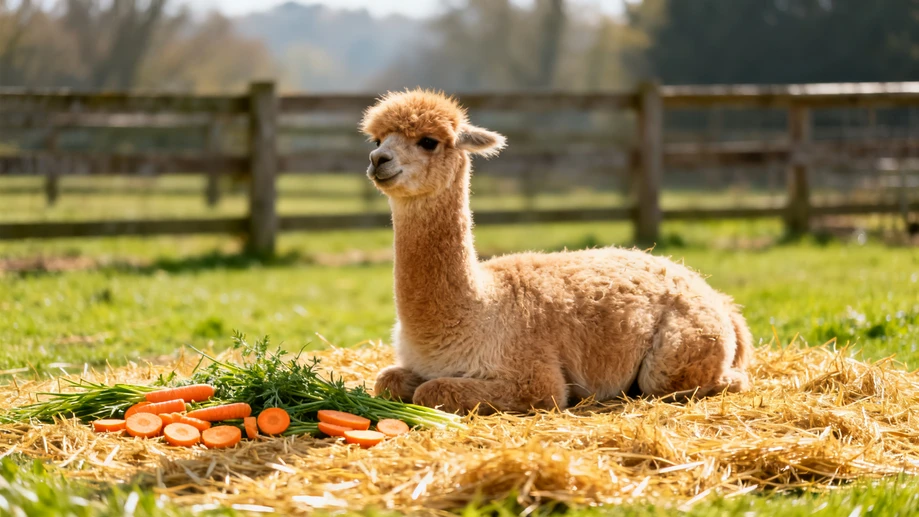
Forget plush dog beds; alpacas require specialized snoozing setups. Their unique sleeping style involves a "cush" position – folding their legs neatly beneath them. A simple dirt patch won't suffice. Invest in deep, soft bedding like clean straw or specialized wood shavings in a sheltered, dry area. This cushioning is vital for preventing pressure sores on their legs and keeping their luxurious fleece clean and dry. Think of it as creating a five-star spa retreat for their precious fiber and joints. Regularly refreshing this bedding isn't just about comfort; it's essential hygiene to prevent foot rot and skin issues. A cozy cush spot is the foundation of alpaca zen.
Alpacas are gourmands of the grass world, but their digestive systems are surprisingly delicate. Their primary diet should be high-quality grass hay, available constantly to mimic natural grazing. Avoid rich alfalfa hay except as an occasional treat for nursing mothers or underweight individuals. The real fun lies in healthy snacks! They adore crunchy carrots (cut lengthways to prevent choking), crisp apple slices (seeds removed), and the occasional oat biscuit. Crucially, introduce any new food gradually. An alpaca tummy upset is no joke – sudden dietary changes can cause serious digestive problems. Always have fresh, clean water available, preferably in a bucket they can't easily tip over during their playful moments.
Owning an alpaca is less like having a pet and more like cultivating a serene, woolly friendship. They offer a unique, calming presence, a connection to nature, and the unparalleled joy of burying your hands in their incredibly soft fleece. By mastering their communication, providing species-specific care like proper bedding and diet, and respecting their social needs, you unlock a world of gentle companionship. Witnessing their daily humming conversations, playful pronks (those joyful, springy jumps!), and quiet contentment as they survey their domain makes every bale of hay and careful bedding change utterly worthwhile. Welcome to the wonderfully woolly world of alpaca parenthood!