
Why Do Samoyeds Seem To Have Permanent Grins No Matter What Mess They Get Into
A lighthearted, fact-filled look at the fluffy Arctic dog breed that has earned a global reputation as the friendliest walking cloud on four legs
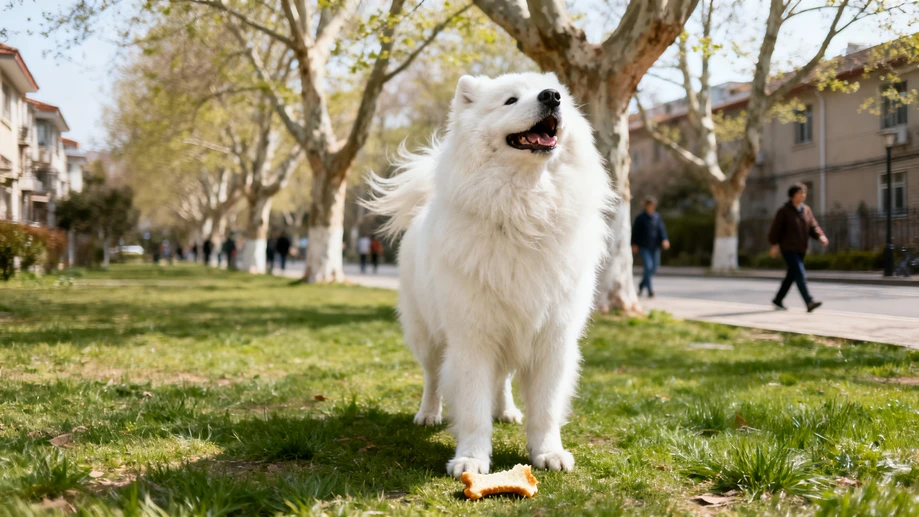
If you have ever spent five minutes around a Samoyed, you have almost certainly walked away convinced this breed is physically incapable of looking even slightly upset. That iconic upturned mouth, paired with dark, almond-shaped eyes rimmed with faint black eyeliner, creates the illusion of a permanent, unshakable smile that looks just as sincere when the dog has just knocked over your full mug of hot coffee as it does when you hand them a fresh piece of chicken treat. This signature "Samoyed smile" is not a trained party trick or a quirk of selective breeding for friendly expressions, it is a natural structural feature tied to their ancestral past working alongside indigenous Siberian reindeer herders. The narrow upward curve of their jaw was originally an evolutionary advantage, as it prevented icy Arctic wind from being sucked directly into their lungs when they ran for hours across frozen tundra pulling sleds, which means that smile is not there to make you feel good, it is first and foremost a leftover superpower that helped their ancestors survive temperatures far below zero.
One of the most commonly unforeseen surprises that catches new Samoyed owners off guard is the sheer scale of their shedding habit, which has spawned hundreds of popular online memes from exasperated pet parents joking that their home has a permanent white fur coating on every possible surface. Samoyeds have a dense, wooly undercoat under a longer, stiffer topcoat, both of which are completely water repellent and designed to keep them warm even when they spend the night sleeping on packed snow next to their human family’s tents. Their shedding cycle is not limited to two small seasonal drops a year like many shorter haired breeds, they shed their entire undercoat twice per year over the course of 4 to 6 weeks each time, and loose fur will drift through the air and stick to your clothes, couch, dinner plates and even your toothbrush no matter how often you run the vacuum. Many long term Samoyed owners have even picked up the casual hobby of collecting the loose fur that falls out during brushing, spinning it into soft yarn and knitting tiny scarves or socks for their dogs, turning a seemingly annoying quirk into a cozy, one of a kind souvenir.
A lot of casual pet lovers mistakenly write Samoyeds off as dumb, silly fluff balls who do not understand basic commands, but that misunderstanding comes from the unique work history that shaped their personality. Unlike herding breeds that were bred to take direct, unchanging orders from a shepherd, Samoyeds were expected to make independent judgment calls when working on the frozen Siberian ice. They had to assess if a stretch of ice was safe enough to cross with a full sled of supplies, warn their human companions if a wild predator was approaching the reindeer herd, and even decide on their own when to stay behind to keep a lost traveler warm through a blizzard, instead of following a rigid set of rules. This independent streak is why a perfectly well trained Samoyed who reliably sits, stays and comes when called in your living room will suddenly act like they have never heard a single word you taught them the second they step on fresh, powdery snow. Their ancient instincts kick in immediately, and all their energy gets diverted into rolling, digging and snout-diving into the cold white stuff that their DNA has been programmed to love for thousands of years.
Samoyeds are also famous for being unbelievably friendly to every single person and animal they meet, to the point that most owners will joke that their dog has no concept of "stranger danger" at all. It is extremely rare for a well socialized Samoyed to show any sign of aggression towards a new person, they are far more likely to trot right up to a random passerby, nudge their hand for pets, and happily go home with a total stranger if you do not have a tight grip on their leash. Many Samoyed owners report that their dog acts as a built in social icebreaker, and walks around their local park will inevitably lead to three or four different strangers stopping to ask if they can pet the fluffy smiling dog, leading to conversations that end up lasting 20 minutes or more. This extreme friendliness makes them terrible guard dogs, as they are far more likely to greet a burglar with a happy wag and invite them to sit on the couch than bark to alert you that something is wrong.
Caring for a Samoyed does come with a few specific, easy to meet requirements that will make both your life and your dog’s life far more happy and low stress. They need at least 60 to 90 minutes of active outdoor exercise every single day, and if you skip their daily walk for multiple days in a row, all that stored up working dog energy will turn into mild destructive behavior like chewing on your shoes or digging small holes in your backyard. You should never shave a Samoyed’s full coat down to the skin, because their double layered fur acts as a natural temperature regulator that keeps them cool in summer and warm in winter, and shaving it off can leave them vulnerable to painful sunburn and permanent fur texture damage. Most people who bring a Samoyed into their home end up agreeing that all the extra fur, all the silly snow obsessed antics, and all the goofy grins are more than worth the small amount of extra work, because very few other breeds can turn an ordinary Tuesday evening walk around the block into a bright, joyful adventure that puts a smile on your face every single time.