
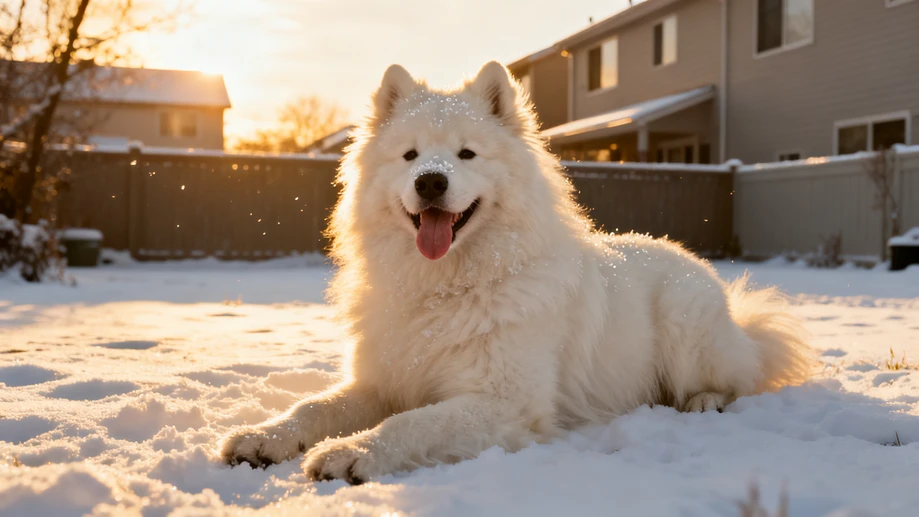
Have You Ever Wondered Why Every Samoyed Looks Like It Just Steals Sunlight For A Living
This lighthearted deep dive explores all the hidden silly traits and little-known daily facts about the fluffy smiling white dog that has won millions of pet lovers’ hearts around the world
Anyone who has encountered a Samoyed out on a street walk can immediately relate to that split second of confusion, wondering if the owner spent hundreds of dollars on professional fur whitening treatments every other week to make the dog’s coat glow so bright under natural sunlight. The truth behind that almost luminous white fur is far more interesting than expensive grooming tricks, tracing back thousands of years to their native Siberian homeland. Their outer layer of guard hairs is made of tiny, hollow transparent fibers that reflect every band of visible light, instead of absorbing some wavelengths like regular dog fur does. This hollow structure not only makes their coat look like it is glowing on sunny days, it also locks in warm air close to their skin so they can sleep outside reindeer herders’ tents at negative 40 degrees Celsius without freezing, and repels most light dirt so most small debris falls right off when you give their coat a quick pat. A lot of long term Samoyed owners say they only need to give their dogs a full bath once every two months, far less often than other long haired breeds, because they barely hold onto mud, dust or outdoor grass stains at all.
The iconic permanent smile that every Samoyed carries is not a cute trick that their owners trained them to pull off for social media, either. That unique upturned lip line is a hardwired genetic trait that evolved to help them survive brutal arctic winters. If their lips sloped downward like most other dog breeds, the hot air they breathed out would get trapped against the fur on their muzzle and eyelashes, freeze into thick layers of ice and block their vision when they ran across snowfields for hours. Even modern Samoyeds that live in warm temperate zones still carry this gene, which makes them look like they are delighted to see every single stranger, squirrel and delivery truck that passes by their house. Many new Samoyed owners panic the first time they see their dog come back from a 10 minute winter walk with tiny clear icicles hanging off the edges of their mouth, but that is just a silly little sign that their pup got too excited playing outside and forgot the ancient survival rule that stops them from drooling in freezing weather.
The popular internet joke that labels Samoyeds as one of the three silly sled dog breeds famous for destroying furniture is also a huge unfair misunderstanding of their actual personality. The original working line Samoyeds were not bred to pull heavy sleds across hundreds of miles of ice like Huskies, they were working partners that helped indigenous herders round up scattered reindeer flocks, keep an eye on camp while everyone slept, and even keep small children warm under their thick fur when the tent fire died down. This background makes them extremely focused, responsive and eager to please their human family, as long as they get the right amount of daily exercise. A healthy adult Samoyed only needs 90 to 120 minutes of uninterrupted outdoor running time every day, and if they burn through all their extra energy outside, they will curl up quietly on the couch next to you for the rest of the evening, not touching a single cushion or shoe in the house. Most documented Samoyed furniture chewing incidents happen when the owner keeps the dog locked inside alone for multiple straight days without taking them out for long walks, leaving the pup with literally nothing else to do to kill boredom.
There are a bunch of widely spread Samoyed care myths that waste new owners hundreds of dollars on unnecessary special products every year, and the most common one is the claim that all Samoyeds need expensive special tear-stain removing dog food to keep their white face fur clean. In reality, Samoyeds have far fewer tear ducts that overproduce discharge than most small light-colored dog breeds, and more than 90 percent of their yellow tear stains come from simple dehydration. These active dogs need 1.5 times more fresh drinking water every day than other dogs of the exact same body weight, and if their water bowl stays empty for long stretches when their owner is at work, the small amount of eye discharge they produce will oxidize and turn yellow on their dry fur. All you need to do to prevent stains is refill their water bowl at least twice a day, and wipe the fur around their eyes with a soft damp cloth two times a week. Their famous “shedding season that lasts six months” joke is also completely true, you can grab a handful of cotton-like loose fur from their coat every single day during spring and fall shedding periods, and many crafty owners collect all that shed fur over the year to knit tiny soft Samoyed plushies, or stuff small homemade pillow inserts with it.
One of the loveliest unexpected side effects of owning a Samoyed that no pet care guide mentions ahead of time is the instant ice-breaking social superpower their smiling fur gives you in daily life. You will never have to worry about awkward silence in your apartment building elevator, every kid that walks past you will run over to ask if they can pet your fluffy dog, even elderly neighbors that usually say they are afraid of dogs will stop to compliment how happy and cute your pup looks. A lot of owners admit they used to be heavily introverted and struggled to talk to new people, but after bringing a Samoyed home they have made dozens of new friends in their local community, just from chatting with other dog walkers and curious passersby that stop to ask questions about their unusually glowing white coat. Those random small warm interactions that follow you on every single walk make all the extra fur cleaning work feel totally worth it, turning an ordinary day running errands into something that feels a little bit brighter and sunnier, exactly like the little glowing furball that never stops smiling at you when you walk through your front door.