
10 Surprising Hidden Facts About Samoyeds That Will Make You Adore Them Even More
The iconic fluffy white "smiling dog" breed hides dozens of lesser-known charming traits that tie straight back to their thousands of years of history working alongside remote human communities.
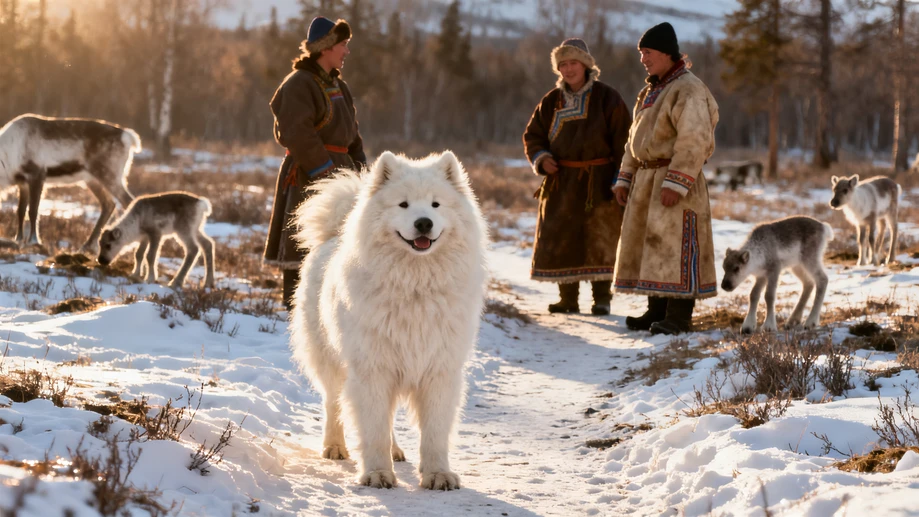
If you have ever spent more than five minutes around a Samoyed, you have almost certainly fallen for their signature upturned mouth that looks like a permanent, goofy grin. Most people assume this famous "Samoyed smile" is a random cute genetic quirk, but it actually developed as a critical survival trait for the breed’s ancestors that lived on the frozen tundra of northern Siberia thousands of years ago. The indigenous Samoyede people who first domesticated these dogs relied on them to pull sleds across ice sheets, herd reindeer, and even share body heat inside insulated snow dens during brutal -40 degree winter nights. Their upturned lip prevents excess saliva from dripping down and freezing onto their cheeks during long hours outside in subzero temperatures, stopping painful ice buildup that could crack skin and lead to dangerous infections. Far from a random cute design choice, that goofy, cheerful smile is a tiny, powerful reminder of all the harsh conditions this breed overcame to become the beloved household pet we know today.
Anyone who has owned a Samoyed for more than a month will joke that the breed is basically a walking, barking dandelion that sheds white fur all over every piece of clothing, couch cushion, and carpet in a 100 foot radius. What most people do not know is that this fluffy double coat is far more advanced than almost any other domestic dog breed. Their top layer of coarse, water repellent guard hairs seals out snow, sleet and icy rain completely, while their thick, downy undercoat traps warm air close to their skin to keep them perfectly comfortable even when the ground is covered in feet of snow. Historically, indigenous communities that kept Samoyeds would collect the soft shed undercoat every spring, spin it into yarn, and knit it into sweaters, socks and winter gloves that were warmer and more water resistant than standard sheep’s wool. Unlike most large working dog breeds, Samoyeds also produce almost zero natural body odor, so many owners report their dogs still smell like sun-warmed cotton even two or three weeks after their last bath, making them surprisingly low maintenance for a large fluffy breed.
It is easy to write Samoyeds off as silly, airheaded white furballs that only care about treats and belly rubs, but their personality hides a lot more clever, intentional traits than most new owners expect. The breed ranked 44th out of 138 tested dog breeds for obedience intelligence, which puts them in the above average range for working dog breeds, but they are famous for what experienced owners call "selective hearing". A Samoyed will 100% ignore your command to come back if they spot a squirrel darting up a tree or a stranger holding a hot dog, because their ancient breeding taught them to make their own quick judgment calls when herding reindeer across wide open tundra. They are also one of the most naturally social dog breeds on the planet, with zero inherent aggression toward humans or other dogs. A well socialized Samoyed will happily greet every single person and pet at a dog park, often acting as a unofficial peacemaker that stops small scuffles between other more tense dog breeds without ever baring their teeth. Their reputation as a total social butterfly is so widespread that many dog park regulars plan their visits around the local Samoyed’s scheduled walk time, just to get a chance to say hi.
Most of the weird, quirky little habits your Samoyed shows off around the house are not random bad behavior, they are direct leftover instincts passed down from their tundra dwelling ancestors. The second most Samoyed you spot fresh snow, they will sprint directly face first into the nearest snowbank and roll around until their entire face is covered in white, which is the exact same behavior their ancestors used to test if a patch of snow is soft and insulated enough to make a safe warm sleeping den. Their obsession with licking their owner’s hands and face comes from the ancient habit of Samoyed puppies begging for small bits of frozen meat from their human caretakers inside snow dens, a gesture that was rewarded with food and warmth for thousands of years. Even their famous habit of carrying every single random stick they find on a walk all the way back home comes from the old working trait of carrying small supplies back to the nomadic camp, which means your Samoyed is not showing off the random stick to you, they are technically bringing you a useful gift to take back to your shared home.
For new owners bringing a Samoyed home for the first time, there are a few easy little tricks to make their lives much happier that most basic pet care guides never mention. Even though they have a thick winter coat, Samoyeds overheat much faster than shorter haired breeds, so never leave them locked outside in direct sun during hot summer months, and give them a frozen chew toy or ice cube tray to play with on extra warm days to keep them cool. They have surprisingly high energy needs, so a quick 15 minute walk around the block twice a day will never be enough to burn all their energy, and you will end up coming home to a half chewed throw pillow if you skip their long daily evening walk. All of these little weird, charming traits add up to make the Samoyed one of the most uniquely special dog breeds in the world, and their endless goofy smile never fails to lift even the worst, most stressful day.