
5 Hilarious Things Your Cat Does That Actually Make Sense
Unraveling the Mysteries Behind Your Feline's Quirky Behaviors
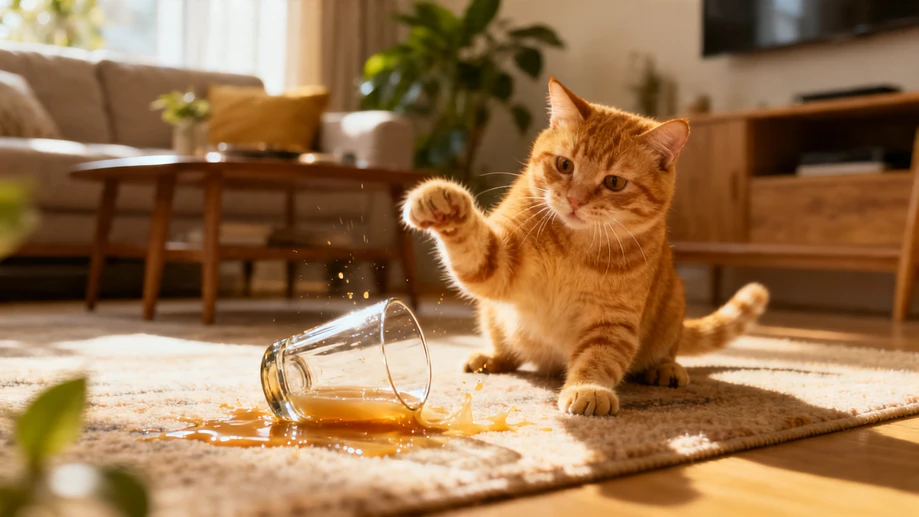
Ever watched your cat knock a glass off the table and wondered if it's just being mischievous? You're not alone. Cats are full of bizarre antics that leave us laughing or scratching our heads. But here's the fun part: those seemingly random actions often stem from deep instincts or scientific reasons. From their wild ancestors to modern domestication, cats have evolved behaviors that serve practical purposes. Understanding these quirks not only makes pet ownership more enjoyable but also strengthens your bond. In this article, we'll dive into five hilarious cat habits that actually have logical explanations, turning everyday moments into fascinating insights.
First up is the classic "knocking things off surfaces." Picture this: your cat casually bats your favorite mug to the floor. It might look like pure chaos, but it's rooted in their hunting instincts. Cats are natural predators, and this behavior mimics how they'd test prey in the wild—poking and prodding to see if it's alive or worth chasing. Studies show that cats use this to engage their senses, especially when they're bored or understimulated. So, next time your feline friend sends a pen flying, remember it's not vandalism; it's a playful experiment. To reduce mess, provide interactive toys like puzzle feeders that channel this energy constructively.
Another head-scratcher is the "midnight zoomies," where your cat suddenly races around the house at 3 AM. This isn't random hyperactivity; it's a burst of energy tied to their crepuscular nature. Cats are most active during dawn and dusk, a leftover trait from when they hunted in low light. Modern indoor life doesn't erase this, so they save up energy for explosive sprints. Plus, it's a great way to burn calories and relieve stress. If your cat's nightly escapades keep you awake, try scheduling play sessions before bed with toys like feather wands to tire them out. It's a win-win: they get exercise, and you get sleep.
Then there's "kneading," that adorable paw-pushing motion on soft surfaces. Often called "making biscuits," this behavior starts in kittenhood when they knead their mother's belly to stimulate milk flow. As adults, it becomes a comforting ritual linked to relaxation and contentment. Cats release endorphins while doing this, which explains why they purr blissfully. It's also a way to mark territory with scent glands in their paws. So, if your cat kneads your lap, take it as a compliment—they're claiming you as safe space. Encourage this bonding by offering cozy blankets, but avoid rough fabrics that might irritate their paws.
One of the grossest yet funniest habits is bringing you "gifts," like dead mice or toy mice. While it might make you squeamish, this is your cat's way of sharing their hunt. In the wild, cats bring prey back to their family as a teaching tool or offering. Domestic cats see you as part of their clan, so they're essentially saying, "Here, I caught this for you!" It's a sign of trust and affection. To handle this without disgust, praise your cat gently and dispose of the "gift" discreetly. Redirect the behavior by using fetch toys during playtime, reinforcing positive interactions without the mess.
Finally, the "staring at nothing" phenomenon—when your cat fixates on an empty wall. It's not ghosts; it's their incredible senses at work. Cats have superior vision and hearing, detecting subtle movements or sounds we miss, like insects or drafts. This hyper-awareness stems from survival instincts, where staying alert meant avoiding predators. Over time, it becomes a form of mental stimulation. If your cat seems spooked, check for real triggers like pests. Otherwise, enjoy the mystery; it's a reminder of their wild heritage. Embrace these quirks as part of the joy of cat ownership—they're not just pets, but little comedians with a purpose.