
Can Your Parrot Outsmart You in Daily Life
Uncover the amusing world of living with these feathered comedians and their quirky antics
Parrots have long been cherished as pets not only for their vibrant plumage but for their uncanny ability to turn mundane routines into laugh-out-loud moments. Imagine waking up to a squawking alarm clock that mimics your voice, or discovering your feathered friend has stealthily hidden your keys. These birds, descended from wild ancestors in tropical forests, bring an unexpected dose of humor to modern homes. With intelligence rivaling that of toddlers, they observe and imitate human behaviors in ways that feel almost like having a tiny, winged roommate. For instance, African Greys can learn hundreds of words, while Amazons perform playful tricks like dancing to music. This daily interaction isn't just entertaining; it's a window into the complex emotions of creatures that bond deeply with their owners, turning boring afternoons into shared escapades filled with chirps and surprises.
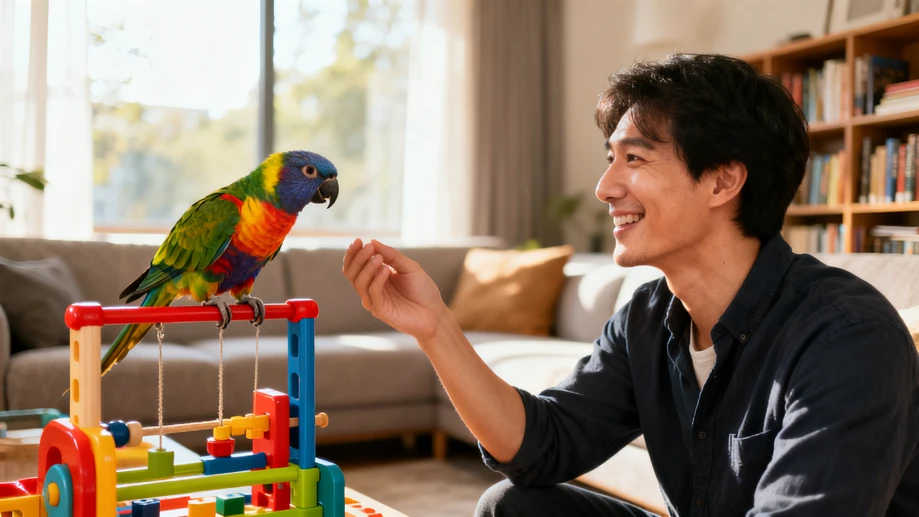
Everyday life with a parrot often feels like starring in a real-life sitcom, where the bird steals the spotlight. Take the case of Mango, a Scarlet Macaw who became an internet sensation for his habit of opening cabinet doors to "redecorate" with colorful towels. Such stories aren't rare—owners frequently report their pets developing elaborate games, like tossing toys for fetch or engaging in mock debates with a mirror. These antics stem from natural instincts: in the wild, parrots forage and socialize through problem-solving and mimicry. At home, this translates into hilarious moments, such as when a parrot mimics phone ringtones to summon attention or "accidentally" spills food to create a foraging adventure. Experts explain that this intelligence requires mental stimulation, so simple toys like puzzle feeders or swings become tools for daily fun. The result? A pet that's not just a companion but a co-conspirator in household capers.
Beyond the laughter, parrots offer profound connections that enrich daily routines, making them ideal for families seeking more than a typical pet. Their social nature means they thrive on interaction, like a Cockatoo insisting on joining dinner conversations with cheerful squawks. However, this bond comes with responsibilities; neglecting their need for engagement can lead to boredom, which might manifest in destructive behaviors or incessant calling. Yet, when nurtured, parrots respond with loyalty—snuggling against shoulders or greeting owners with excited flaps. Stories abound of birds like Blue, an Indian Ringneck, who learned to "help" with chores by handing back dropped items. This level of companionship highlights their emotional depth; studies show parrots exhibit empathy and can sense moods, offering comfort during tough days. It's this blend of humor and heart that makes every day with them feel like a spontaneous, joyful journey.
Owning a parrot is a constant learning curve that transforms ordinary spaces into vibrant hubs of activity. Start with basics: ensure a spacious cage positioned for social viewing, where they can observe household bustle without feeling isolated. Daily routines should include supervised playtime outside the cage—think flight paths cleared of hazards—and interactive sessions, like teaching new words with treats as rewards. For enrichment, rotate toys frequently; a bored parrot is like a mischievous child, but a busy one sings, plays, and explores safely. Common issues, such as excessive noise, can often be managed by understanding triggers, like loneliness or hunger, and addressing them through routine. Overall, the key is consistency; with patience, these birds become lifelong partners in creating an environment where laughter and learning coexist seamlessly.